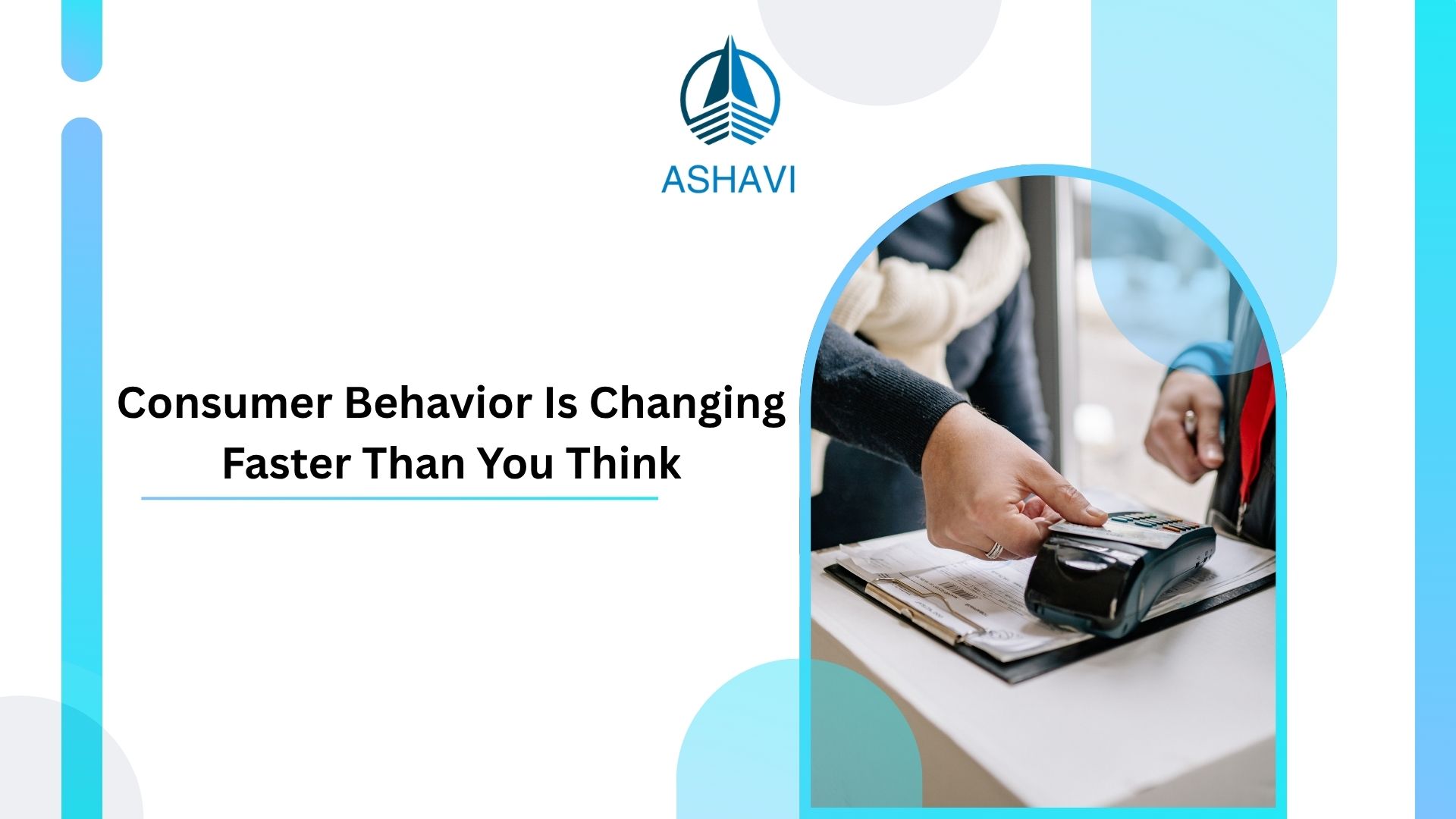










Markets no longer move in simple annual cycles. A year used to be a comfortable planning unit. Companies could build a twelve-month strategy, launch a campaign, review quarterly results, and make small adjustments along the way. That rhythm is now too slow. Consumer expectations, technology adoption, retail channels, media behavior, pricing sensitivity, and competitive pressure are shifting month by month. For business leaders, marketers, and investors, the most valuable capability today is not only forecasting the future, but also reading short-term signals with discipline.
A monthly market trend report is therefore more than a summary of what happened. It is a strategic lens. It helps companies understand where demand is moving, what consumers are paying attention to, which channels are gaining momentum, and where brands should act before the opportunity becomes crowded. In 2026, this monthly perspective is especially important because the market is being shaped by three powerful forces: cautious consumers, accelerated artificial intelligence adoption, and the constant search for value.
One of the most visible trends this year is the rise of the value-conscious consumer. People are not necessarily stopping their purchases, but they are becoming more selective. They compare prices more carefully, wait for better deals, search across platforms, and expect brands to justify every premium. Deloitte’s 2026 retail outlook notes that retailers are facing value-oriented consumers, AI-driven commerce, reimagined marketing, resilient supply chains, and smarter margin management all at once. At the same time, surveyed retail executives still show confidence, with most expecting revenue growth and many expecting margin expansion. This creates a paradox: growth is possible, but only for companies that manage value and efficiency with precision.
From a monthly market perspective, this means brands should monitor not only sales volume, but also the quality of demand. Are customers buying at full price or only during promotions? Are they trading down to cheaper alternatives? Are they switching brands more often? Are loyalty members becoming more responsive to personalized offers? These questions matter because the modern consumer is not simply “price-sensitive.” Many consumers are willing to spend, but they want a stronger sense of fairness, usefulness, emotional relevance, and personal benefit.
The second outstanding trend is the rapid normalization of artificial intelligence in marketing and commerce. AI is no longer just a back-office tool or a future-facing experiment. It is now being used to create content, personalize offers, predict demand, optimize pricing, improve product discovery, and reduce operational costs. Reuters recently reported that global firms are using AI in Indian hubs to bring more advertising work in-house, with companies applying AI to generate product visuals, select influencers, and optimize campaigns. In one example cited by Reuters, Kimberly-Clark reduced content creation time from 24 days to two hours through an AI platform.
This shift has major implications for monthly market planning. Campaign cycles are becoming shorter. Creative testing is becoming faster. Product visuals, social posts, email flows, and landing pages can be produced and adapted in days rather than weeks. However, speed alone is not strategy. The winners will not be the companies that simply produce more content. The winners will be the companies that combine AI efficiency with human judgment, brand taste, cultural understanding, and customer insight.
A related trend is the growth of AI-powered personalization. Retailers and consumer brands are moving beyond basic segmentation such as age, gender, and location. They are building more dynamic models based on browsing behavior, loyalty data, purchase history, intent signals, and real-time context. Tesco’s partnership with Adobe, for example, is designed to strengthen AI-driven personalized marketing by using customer data from its Clubcard loyalty program, which reaches more than 24 million UK households.
For businesses, the monthly question becomes: what level of personalization is actually creating value? Personalization should not feel intrusive, repetitive, or mechanical. Consumers want relevance, but they also want control. Mintel’s 2026 global consumer predictions highlight an “anti-algorithm” tension, where people appreciate convenience but also worry that algorithms can limit identity, choice, and self-expression. This means the next stage of personalization must feel more like assistance than surveillance.
Another notable trend is the transformation of the customer journey into a “search everywhere” environment. Consumers no longer discover products through one dominant channel. They search on Google, TikTok, Instagram, YouTube, marketplaces, AI assistants, review platforms, brand websites, and social communities. A buyer may first notice a product in a short video, compare it through an AI tool, read reviews on a marketplace, check the brand’s website, ask friends in a group chat, and finally purchase through a promotion link. The purchase journey is fragmented, but the expectation is seamless.
This creates pressure on brands to maintain consistency across channels. Monthly market analysis should therefore include search trends, social listening, marketplace performance, customer reviews, influencer mentions, and conversion data. A product may not show weak demand because the product is unattractive. It may show weak demand because the brand is invisible at the exact moment customers are searching.
The fourth trend is the return of operational excellence as a competitive advantage. In recent years, many brands focused heavily on storytelling, community, and digital presence. These remain important, but 2026 is reminding companies that execution matters just as much. Inventory, delivery speed, pricing architecture, supplier resilience, and margin discipline are now central to growth. McKinsey’s State of Fashion 2026 report emphasizes that fashion companies must adapt to a new environment where trade, consumer behavior, and technology remain in rapid flux, and that agile brands are more likely to win.
This is true beyond fashion. In any market, companies that can react quickly to demand signals have an advantage. If a product suddenly gains attention on social media, can the business replenish stock? If raw material costs rise, can pricing be adjusted without damaging trust? If a competitor launches a discount campaign, can the brand respond intelligently rather than emotionally? Monthly trend tracking helps companies avoid both overreaction and delay.
The fifth outstanding trend is the growing importance of trust. Consumers are surrounded by messages, offers, reviews, influencers, AI-generated content, and algorithmic recommendations. As information becomes abundant, trust becomes scarce. Brands that communicate clearly, deliver consistently, and show transparency will have an advantage. This is especially important in sectors such as finance, healthcare, education, beauty, food, technology, and high-value services.
Trust also affects how consumers respond to AI. Many people enjoy convenience, but they may hesitate when they feel that decisions are being manipulated or automated without explanation. A brand using AI should therefore communicate in a human way. It should show customers why a recommendation is relevant, how data is used, and what benefit the customer receives. In monthly market reporting, trust can be measured through review sentiment, complaint rates, repeat purchase, unsubscribe rates, customer service issues, and brand mention quality.
Another important monthly trend is the rise of smarter shopping behavior. Consumers are using tools to compare prices, find alternatives, discover secondhand options, and organize purchases across platforms. Vogue recently covered Phia, an AI-powered shopping platform that helps users find better prices or secondhand versions of fashion items while learning their preferences. The platform’s growth reflects a broader movement toward AI-assisted shopping and personalized discovery.
This trend is particularly important for retail, fashion, beauty, electronics, home goods, and travel. The consumer is becoming more informed and more assisted. Brands can no longer rely only on emotional appeal. They must be discoverable, comparable, and defensible. If a product is more expensive, the reason must be clear. Better design, better durability, better service, better ethics, better experience, or stronger identity must be visible.
A further trend is the blending of online and offline experiences. Physical stores are not disappearing. Instead, their role is changing. Stores are becoming experience centers, service hubs, pickup points, content spaces, and trust-building environments. Online channels offer convenience and data. Offline channels offer touch, emotion, and confidence. The strongest brands are not choosing one over the other. They are integrating both.
For monthly market tracking, this means businesses should avoid separating “digital performance” from “store performance” too rigidly. A customer may discover online and buy offline. Another may test offline and buy online. Another may return through a store after purchasing on an app. The real question is not which channel wins, but how channels influence one another.
The final major trend is emotional relevance. In uncertain markets, consumers do not only buy products. They buy reassurance, identity, convenience, progress, comfort, and belonging. Capgemini’s 2026 consumer trends report frames the current environment around changing expectations in value, technology, trust, personalization, and emotion. This is a useful reminder: rational value and emotional value now move together.
A monthly trend report should therefore include both numbers and meaning. Sales data tells us what happened. Search data tells us what people are looking for. Social data tells us what they are discussing. Review data tells us what they feel. Competitive data tells us what choices they have. Together, these signals reveal the real direction of the market.
From an expert point of view, the most important lesson is this: monthly market trends should not be treated as isolated headlines. They should be translated into action. If consumers are more value-conscious, review pricing and bundle strategy. If AI personalization is accelerating, improve data quality and customer journeys. If trust is weakening, simplify communication and strengthen service. If discovery is fragmented, invest in search, social, and marketplace visibility. If operations are under pressure, improve forecasting and inventory discipline.
In conclusion, the outstanding market trends of 2026 show a market that is faster, smarter, more demanding, and more complex. Consumers want value, but not at the cost of meaning. They welcome personalization, but not manipulation. They use technology, but still seek human trust. They compare more, but remain loyal to brands that understand them deeply.
For companies, the monthly view is now essential. Annual strategy gives direction. Monthly trend analysis gives rhythm. Weekly execution gives speed. The businesses that combine all three will be better prepared to grow, adapt, and lead in a market where change is no longer seasonal — it is continuous.